
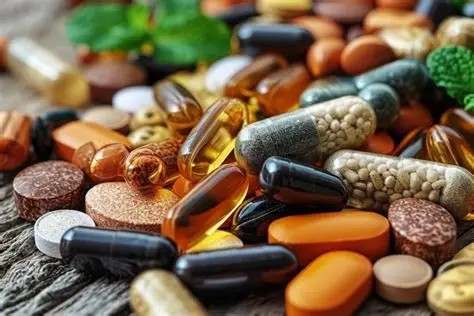

Supplements look like a straightforward category to certify. Short ingredient lists, tightly specified formulations, manufacturers already used to regulatory documentation.
In practice they’re one of the harder ones, because almost every animal-derived risk sits in the parts of the product that aren’t the active ingredient.
The powder inside is usually fine. It’s the shell, the carrier, and the excipients that cause problems.
The capsule shell
The most common single reason a supplement fails review.
Standard two-piece capsules are made from gelatin — bovine or porcine. HPMC (hypromellose) capsules are the plant-derived alternative and are now widely available, but plenty of formulations still default to gelatin, and the shell is easy to overlook when you’re focused on the formulation.
Softgels are the harder case. Softgel shells are usually gelatin-based, and while plant-based softgel technology exists, it’s less common and the manufacturing is more specialized. If your product is a softgel, confirm the shell composition before anything else.
Worth checking even if you believe you’re already using a vegetarian capsule: gelatin capsules and HPMC capsules are visually similar, and a contract manufacturer may have substituted based on availability.
Vitamin D3
The second most common problem, and the one manufacturers are most often surprised by.
Vitamin D3 is most commonly derived from lanolin, extracted from sheep’s wool. Lanolin appears on our prohibited ingredients list, and our vegetarian designation permits only dairy, egg, bee products and shellac as exceptions — so lanolin-derived D3 doesn’t qualify under either of our marks.
Lichen-derived D3 is the vegan alternative. It exists, it’s commercially available, and it costs more. Vitamin D2 (ergocalciferol) is plant-derived but isn’t a like-for-like substitute in every formulation.
If your product contains D3 and you haven’t specifically sourced lichen-derived material, assume it’s lanolin-derived until a supplier confirms otherwise.
Omega-3
Fish oil is the default source for EPA and DHA. Algal oil is the vegan alternative and is well established, but the two are often specified interchangeably in formulation documents.
Krill-derived omega-3 is also animal-derived. So is anything specified as “marine source” without further detail.
Excipients — the quiet ones
Tablets and capsules contain more than the active. Flow agents, binders, lubricants, coatings. These rarely get attention during formulation and are frequently animal-ambiguous:
Magnesium stearate and stearic acid. Extremely common tablet lubricants. Can be plant- or animal-derived, with an identical name either way.
Glycerine. In softgels, liquid formulations, and as a carrier. Same ambiguity.
Lactose. Still used as a filler in some tablet formulations.
Gelatin as a binder, separate from the capsule shell.
Carmine or other colourants in coated tablets.
Shellac as a tablet coating, sometimes labelled confectioner’s glaze or resinous glaze.
Enzymes and carriers in probiotic and enzyme formulations.
For each of these, the specification sheet gives you the ingredient name. Only a supplier declaration gives you the source.
Ingredients that are inherently animal-derived
Some supplement actives simply are animal products, and there’s no plant version:
- Collagen — bovine, porcine, or marine
- Glucosamine — usually from shellfish, though fermentation-derived versions exist
- Chondroitin — typically bovine cartilage
- Bee products — propolis, royal jelly, bee pollen. Permitted under our vegetarian designation, not vegan.
- Lanolin-derived ingredients beyond D3
- Some amino acids, depending on manufacturing route
If any of these are your product’s reason for existing, vegan certification isn’t the right fit — but a vegetarian designation may still be available depending on the ingredient. Bee-derived products are the clearest example.
Contract manufacturing
Most supplement brands don’t manufacture. That changes the documentation path.
Your contract manufacturer holds the relationships with excipient and capsule suppliers, and often treats specific sourcing as proprietary. Certification requires that information to be shared or confirmed, which sometimes needs a conversation your CM hasn’t had before.
It also means a substitution made for supply reasons — a different stearate supplier, a different capsule source — can affect certification status without anyone flagging it. Building a change-notification requirement into your CM agreement is worth doing before you certify, not after.
What to check before you apply
In order:
- Capsule or softgel shell composition — get it in writing
- D3 source, if present — lanolin or lichen
- Omega-3 source, if present — marine or algal
- Every excipient’s sourcing — stearates, glycerine, fillers, coatings, colourants
- Whether your contract manufacturer will provide sub-supplier documentation
Manufacturers who work through that list first tend to move quickly. The ones who don’t usually spend several weeks waiting on a capsule supplier.
Make supplements? Send us your formulation and we’ll tell you what documentation you’d need. No cost, no commitment.



Leave a Reply