
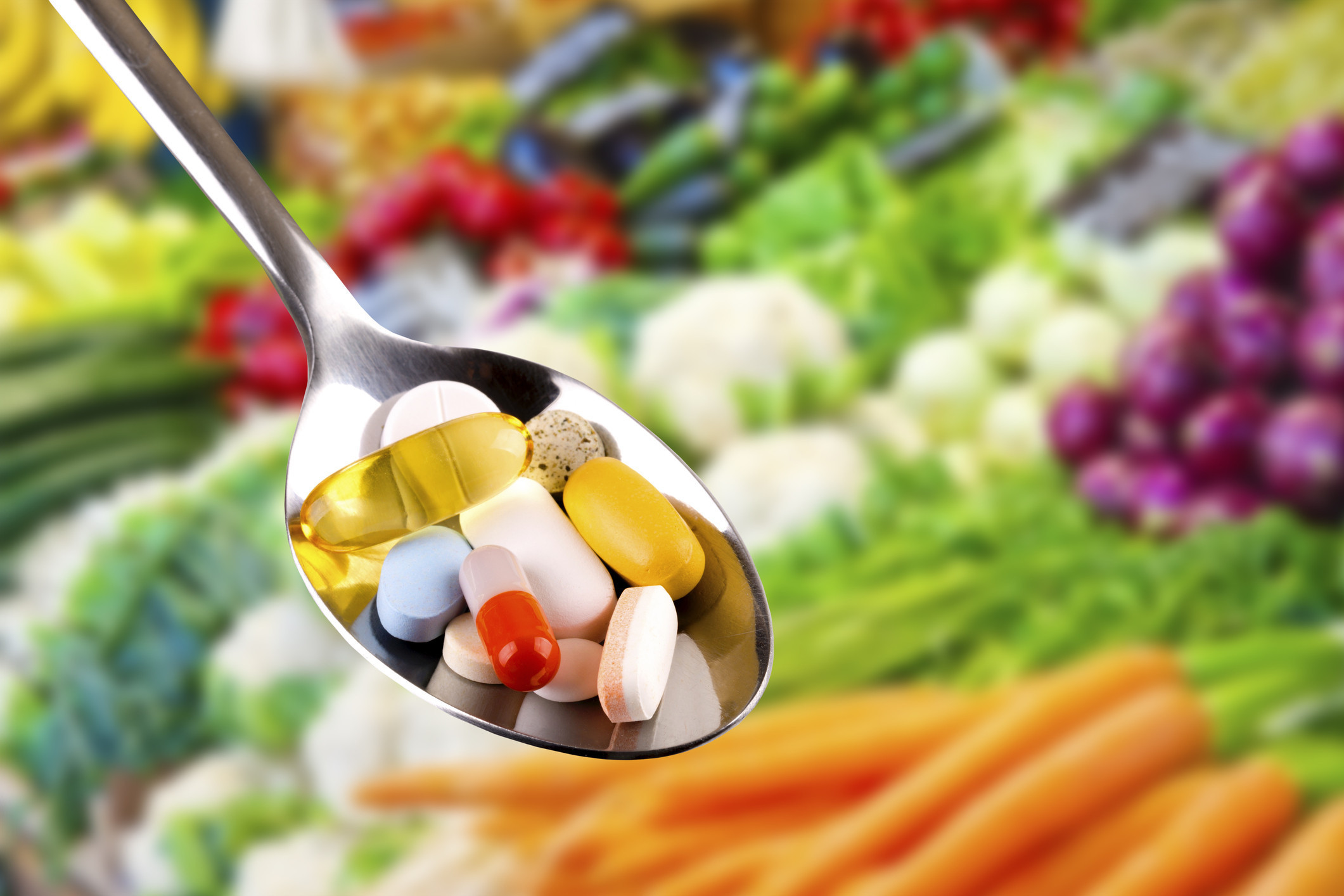

Usually not. Most commercial vitamin D3 is derived from lanolin, the grease extracted from sheep’s wool. Lichen-derived D3 is the vegan alternative, and vitamin D2 is plant-derived — but the label often just says “vitamin D3.”
This is one of the most common animal-derived ingredients in products that otherwise look entirely plant-based.
D2 and D3 aren’t the same molecule
Vitamin D2 (ergocalciferol) comes from yeast or mushrooms exposed to UV light. Plant-derived, always.
Vitamin D3 (cholecalciferol) is what your skin makes from sunlight. Commercially, it’s produced from one of three sources:
- Lanolin — from wool. The dominant commercial source.
- Lichen — plant-derived. The vegan option.
- Fish liver oil — animal-derived, less common in fortification.
So “D3” doesn’t tell you the source. “D2” does.
The honest complication
D3 is generally considered more effective than D2 at raising and maintaining vitamin D levels in the blood. That’s the main reason manufacturers favour it despite the sourcing issue.
Lichen-derived D3 resolves this — same molecule, plant source. It costs more, which is why it isn’t universal, but brands using it almost always say so on the label because it’s a selling point.
If vitamin D matters for your health, this is worth discussing with a healthcare provider rather than resolving on sourcing grounds alone.
Where it turns up
Fortified plant milks. Oat, soy, almond and others are routinely fortified with D, and often with D3. A plant milk can be entirely plant-based in every other respect and still carry lanolin-derived D3.
Breakfast cereals and orange juice.
Protein powders and meal replacements.
Multivitamins and standalone D supplements.
Softgel capsules, where the shell is a separate gelatin question.
Is lanolin-derived D3 vegetarian?
A fair question, since lanolin comes from shorn wool rather than slaughter. No animal is killed to produce it.
Standards differ on this. Under ours, lanolin appears on the prohibited ingredients list, and our vegetarian designation permits only dairy, eggs, bee products and shellac as exceptions — lanolin isn’t among them. So lanolin-derived D3 doesn’t qualify under either of our marks.
Other standards treat it differently. If this matters to you, it’s worth checking what a given certification actually covers rather than assuming.
How to check
Look for “vitamin D2” — always plant-derived.
Look for “vegan vitamin D3,” “lichen-derived,” or “plant-based D3.” Brands using it advertise it.
Unqualified “vitamin D3” should be assumed lanolin-derived unless stated otherwise.
Check the capsule separately if it’s a softgel — the shell is usually gelatin unless specified.
Look for a vegan certification mark, which covers the D source along with everything else in the formulation.
Why this one matters more than most
Most of the ingredients we write about hide in products you’d expect to be complicated — processed snacks, formulated beverages, supplements with long ingredient lists.
Vitamin D3 is different. It shows up in simple, clean-label products specifically marketed to people avoiding animal products. A three-ingredient oat milk with added D3 is the clearest example of a product that looks vegan, reads vegan, and isn’t.
VegeCert is a non-profit certification program for vegan and vegetarian food, supplement and personal care products. Our prohibited ingredients list sets out exactly what each mark permits.


Leave a Reply