
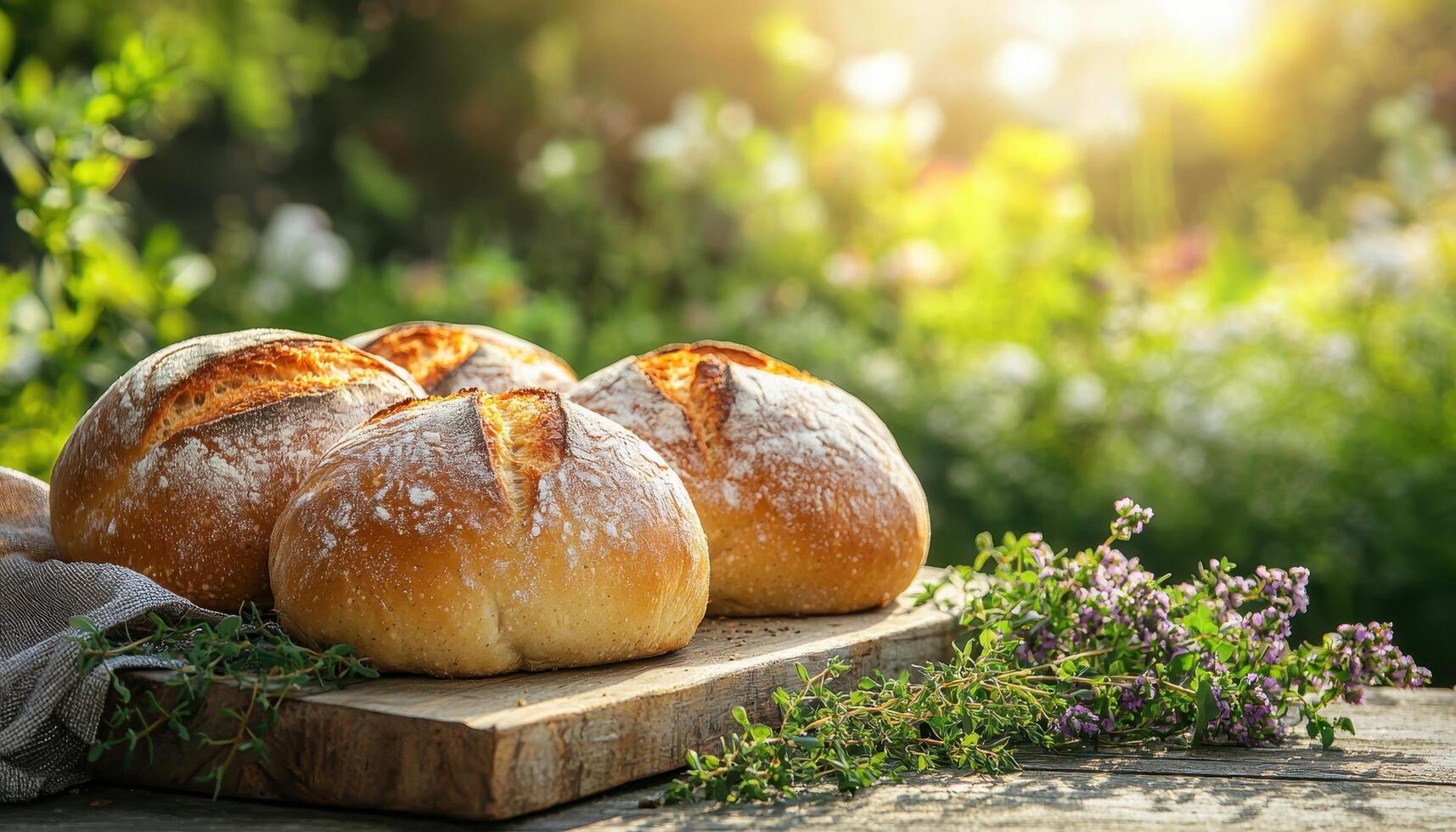

Basic bread is vegan — flour, water, yeast, salt. Commercial bread frequently isn’t, because of dough conditioners, emulsifiers, milk solids, and release agents that may not appear on the label.
The breads that usually are
Sourdough. Flour, water, salt, starter. Among the most reliably vegan breads available.
Baguette and most French bread. Traditionally four ingredients.
Ciabatta, focaccia, and most Italian breads. Usually flour, water, yeast, salt, olive oil.
Pita. Typically simple.
Many supermarket sliced breads — but this is where checking matters most.
The breads that usually aren’t
Brioche. Eggs and butter are the point.
Challah. Contains eggs. (Worth noting: challah is pareve under kosher classification, since it contains no meat or dairy — but pareve permits eggs, which is exactly why a pareve designation isn’t a vegan indicator.)
Milk bread and Japanese shokupan. Milk and often butter.
Naan. Traditionally yogurt, sometimes ghee.
Most enriched and sweet breads. Panettone, babka, Hawaiian-style rolls.
Many croissants and laminated doughs. Butter.
What gets added to commercial bread
This is where it gets less obvious.
L-cysteine. A dough conditioner that relaxes gluten and shortens mixing time — common in commercial bread, pizza dough, and bagels. Historically derived from duck feathers or hog bristles. Fermentation-derived and synthetic versions are now widely available and many suppliers have switched, but the ingredient name is the same either way.
Mono- and diglycerides. Emulsifiers that keep bread soft. Plant oil or animal fat, with no distinction on the label.
DATEM, SSL, CSL. Dough strengtheners built on stearic or lactic acid. Same question.
Whey, milk solids, or milk powder. Added for softness, browning and flavour. Declared as allergens, so the label will say.
Honey. Used as a sweetener and for crust colour. Always declared.
Butter or butter flavour. Natural butter flavour is frequently dairy-derived.
Eggs or egg wash. Egg wash is applied to the surface for shine, and because it’s applied rather than mixed in, it isn’t always captured in an ingredient list.
Enzymes. Amylase and xylanase are standard in commercial baking. Microbial versions dominate, but animal-derived lipase exists, and enzymes are typically undeclared because they’re inactivated during baking.
Release agents. Lard and tallow are still used as pan greases in some commercial bakeries. These generally don’t need to be declared, because they aren’t present in the finished product in a functional amount.
The ones you can’t catch
Of that list, enzymes and release agents are the two that may never appear on a label at all. L-cysteine, mono- and diglycerides, and DATEM will be declared, but won’t tell you their source.
So careful label reading narrows it considerably but doesn’t close it.
How to check
Buy simple bread. Sourdough, baguette, ciabatta. Fewer ingredients, fewer questions.
Buy from a bakery and ask. Small bakeries usually know their release agents and conditioners immediately.
Look for a certification mark on packaged bread. It means the conditioners, emulsifiers, enzymes and release agents have all been verified.
Check the allergen statement. Milk and egg must be declared, so that catches the obvious additions even when the ingredient list is dense.
Is bagel dough vegan?
Often, but bagels are one of the most likely products to contain L-cysteine, and some recipes use egg or honey in the boiling water or wash. Worth asking.
Is pizza dough vegan?
The dough usually is. Same L-cysteine caveat for commercial dough, and some recipes include milk or honey.
VegeCert is a non-profit certification program for vegan and vegetarian food, supplement and personal care products. Our prohibited ingredients list sets out exactly what each mark permits.
COR, the Kashruth Council of Canada, is one of the world’s largest kosher certification agencies, certifying thousands of products, restaurants, and facilities. Learn more at cor.ca, or read about our certification services at corkosher.com.


Leave a Reply