
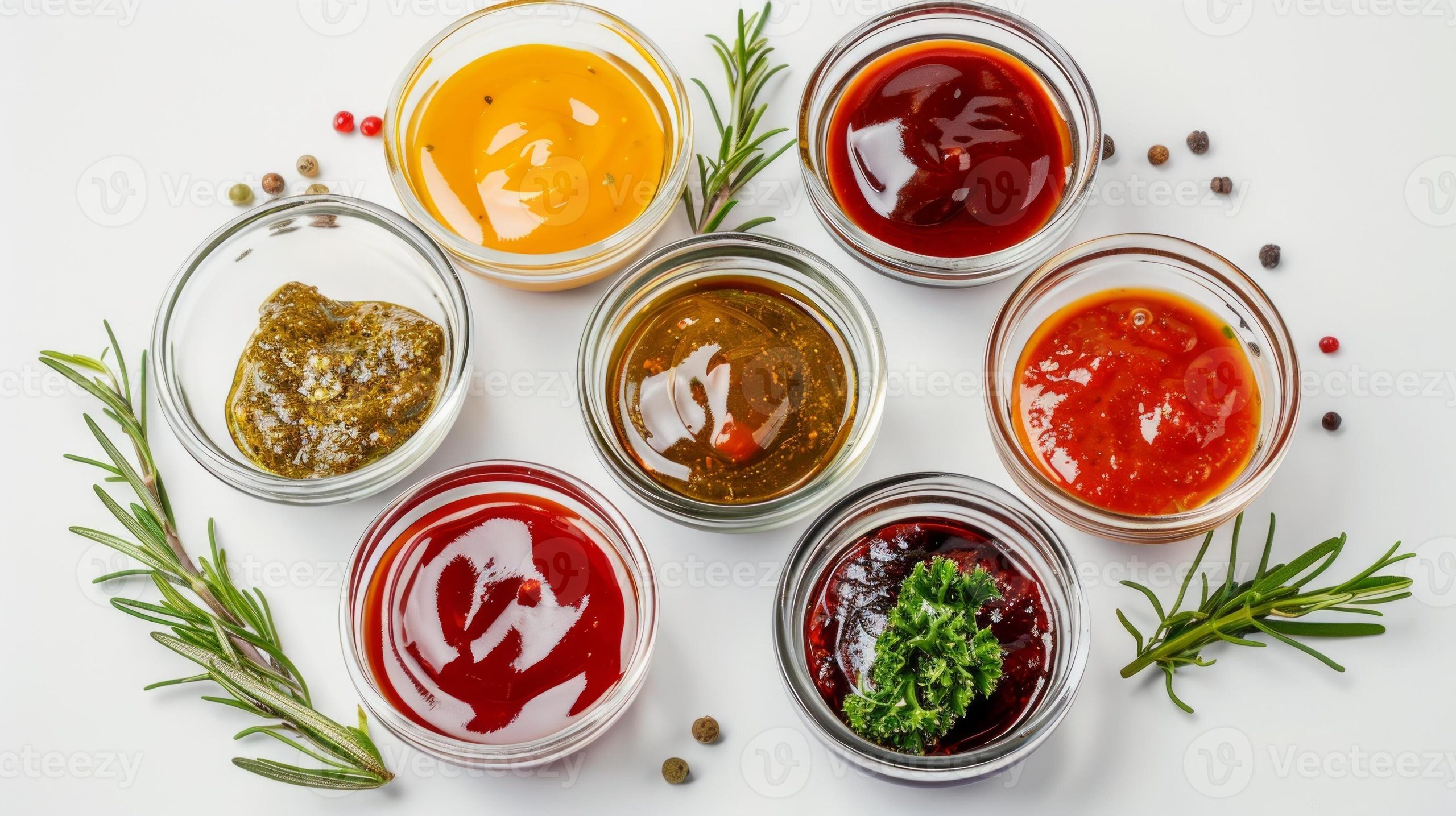

Most people know Worcestershire sauce contains anchovy. It’s the standard example, it’s usually declared, and it’s not actually the problem.
The problem is everything built the same way that isn’t declared as clearly. Savoury food runs on flavour systems, and flavour systems are the least transparent part of the ingredient panel.
Flavour bases and seasoning systems
“Natural chicken flavour,” “natural beef flavour,” “natural bacon flavour.” These are sometimes plant-derived or synthetic. They are also sometimes exactly what they sound like. The name doesn’t distinguish, and manufacturers of plant-based products use both.
Stock and broth bases. Powdered and paste bases frequently contain meat extracts, chicken fat, or bone-derived material. A “vegetable” base from a foodservice supplier is worth confirming rather than assuming.
Yeast extract and HVP are generally plant-derived and fine, but they’re often blended into systems that aren’t.
“Natural flavour” generally. A legal category, not a sourcing statement. In savoury applications it’s more likely to carry animal-derived components than in sweet ones.
Dairy where you don’t expect it
Cheese powders in snacks, seasonings, and sauce systems — obvious when declared as cheese, less so when inside a “seasoning blend.”
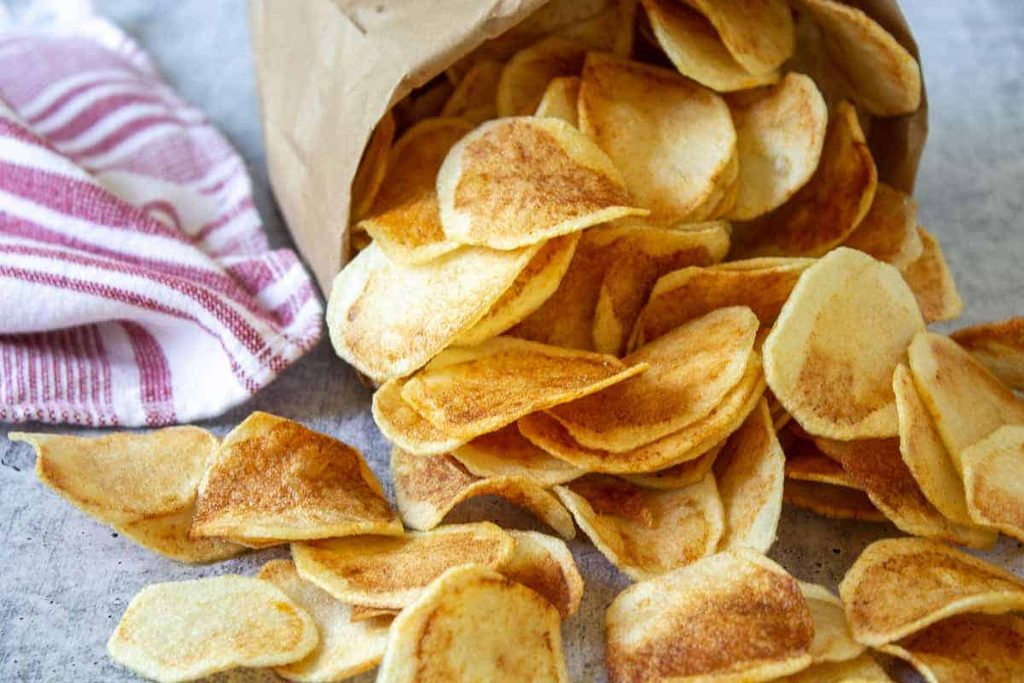
Whey and lactose as carriers and bulking agents in seasoning systems. Extremely common on chips and extruded snacks, including flavours with no dairy association at all.
Butter and cream flavours, frequently dairy-derived.
Rennet. Animal rennet is still used in some cheeses. Microbial and fermentation-produced versions are standard now, but if cheese is an input, this needs confirming — including for products marketed as vegetarian.
Casein appears in some cheese analogues, which is worth knowing because a plant-based cheese is not automatically vegan.
Fish and shellfish in condiments
A large category, and one where the animal-derived ingredient is often integral rather than incidental:
- Anchovy — Worcestershire, Caesar dressing, some pasta sauces, some olive tapenades
- Fish sauce — Southeast Asian sauces, marinades, and prepared dishes
- Oyster sauce — widely used in stir-fry sauces and marinades
- Shrimp paste — curry pastes and sambals. Frequently present in products marketed as vegetarian.
- Carmine — used in some surimi and coloured sauces
Curry and chilli pastes are worth singling out. Many traditional formulations include shrimp paste, and the declaration varies.
Fats and frying
Lard. Still used in refried beans, some tortillas, some pastry, and some prepared savoury products.
Tallow. Historically common in frying, and still used in some operations.
Shared fryers. This is the savoury-specific cross-contamination question. A fryer that also cooks animal products is exactly the shared-equipment scenario our standard addresses — machinery must be thoroughly cleaned between runs, with allergen testing confirming 5 parts per million or fewer of non-vegan residue before a run qualifies. Oil is the harder case, because oil isn’t cleaned between runs so much as changed. Expect that to be part of the assessment.
Anti-foaming agents used in high-volume frying can be animal-fat based.
Gelling, thickening, and texture
Gelatin in aspics, some sauces, and prepared meals.
Collagen and other connective-tissue derivatives in some prepared products.
Mono- and diglycerides as emulsifiers in dressings and sauces. Plant- or animal-derived, identical name.
Glycerine in some sauce and dressing systems.
Enzymes in production, typically undeclared.
Sweeteners in savoury products
Honey in dressings, glazes, barbecue sauces, and marinades. Straightforward when declared, and it appears more often than expected.
Refined cane sugar in sauces and marinades, which raises the bone char question — practice varies significantly by refinery and country, and beet sugar doesn’t use it.
The plant-based trap
Worth stating directly, because this category has more of it than any other.
A product marketed as plant-based, meat-free, or vegetarian may still contain:
- Fish-derived ingredients in the sauce component
- Dairy in the seasoning system
- Honey in the glaze
- Animal rennet in a cheese element
Meat-free is a claim about one category of ingredient. It isn’t a vegan claim, and consumers routinely read it as one. We wrote about that gap in our post on why “vegan” isn’t a regulated term in Canada.
What to gather before applying
- Full breakdown of every seasoning and flavour system, including carriers — this is where most of the risk sits
- Stock and base composition for anything savoury
- Confirmation on any sauce component that might contain fish, shellfish, or dairy
- Frying oil history and changeover procedure, if you fry
- Rennet source, if cheese is an input
- Emulsifier and glycerine sourcing
- Sugar sourcing, if sweetened
Item 1 is consistently the longest. Flavour houses treat composition as proprietary, and the answer often sits a tier beyond your direct supplier. Start it before you apply.
Make sauces, seasonings, snacks, or prepared foods? Send us your formulations and we’ll tell you what documentation you’d need. No cost, no commitment.


Leave a Reply