
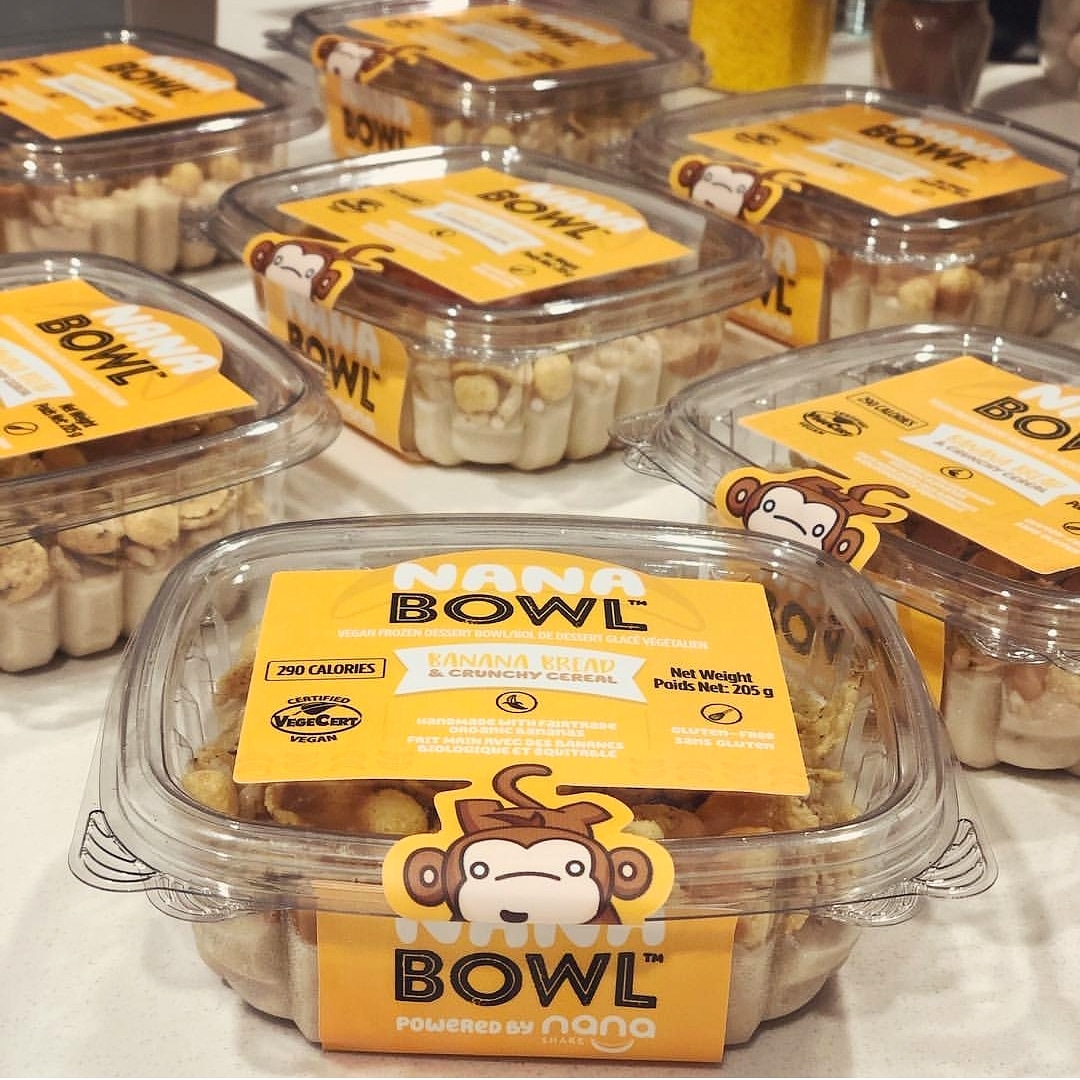

Reading an ingredient panel carefully will catch most animal-derived ingredients. It won’t catch all of them, and knowing which is which makes shopping considerably faster.
Here’s what to look for, roughly in order of how often it trips people up.
The obvious ones under unfamiliar names
Gelatin. From the collagen of cattle, pigs, or horses. Marshmallows, gummies, some yogurts, capsule shells, and — less obviously — as a clarifying agent in some juices and wines.
Tallow. Rendered beef or mutton fat. Baked goods, fried products, some confectionery.
Lard. Pork fat. Pastry, refried beans, some tortillas.
Casein, caseinate, whey, lactose, lactalbumin. All milk-derived. Frequently in products marketed as dairy-free, because “dairy-free” and “milk-protein-free” aren’t the same claim.
Albumin. Usually egg white.
Carmine, cochineal, natural red 4. Insect-derived colouring. Red and pink products, including some yogurts, juices, and candy.
Shellac, confectioner’s glaze, resinous glaze. Insect secretion. The shine on coated candy, chocolate, and some fruit.
Isinglass. Fish swim bladder, used to clarify some beers and wines. Almost never declared.
The ones that could be either
This is the harder category. These ingredients have identical names whether the source is animal or plant, and the label gives you nothing:
- Glycerine / glycerol — animal fat or vegetable oil
- Mono- and diglycerides — same
- Stearic acid, magnesium stearate, calcium stearate — same
- Lactic acid — usually fermentation-derived now, historically dairy
- Oleic acid — animal or plant
- Cysteine / L-cysteine — a dough conditioner, with several possible sources
- Vitamin D3 — most commonly from lanolin, which is wool-derived. Lichen-derived D3 exists but is less common.
- Omega-3 / DHA / EPA — fish oil or algae
- Natural flavour — a legal category, not a sourcing statement. Can contain dairy or other animal-derived components.
- Enzymes — rennet, lipase, pepsin, and others all have animal and microbial versions
For a product carrying a vegan mark, these have been verified. For one without, you’d have to contact the manufacturer, and often they’d have to contact their supplier.
The ones that never appear at all
The category most shoppers don’t know about.
Canadian labelling rules generally don’t require declaring substances used during manufacturing that aren’t present in the finished product in a functional amount. These are treated as processing aids rather than ingredients.
That covers:
- Fining and clarifying agents — isinglass, gelatin, casein, egg albumin, chitosan in beverages
- Filtration media — including bone char in the refining of some cane sugar, though practice varies significantly by refinery and country
- Enzymes used in production and then inactivated
- Release agents and pan greases — lard and tallow are still used in some bakery operations
- Anti-foaming agents in frying and fermentation
- Carriers behind flavours, colours, and vitamin premixes
No amount of careful label reading will reveal any of these. This is the specific gap that certification exists to close.
Terms that sound like guarantees but aren’t
“Plant-based.” A marketing term, not a regulatory one. Plant-based products sometimes contain honey, dairy, or egg-derived ingredients.
“Dairy-free.” Often means no milk protein. May still contain lactose, and says nothing about eggs, honey, or gelatin.
“Vegetarian.” Undefined in Canadian labelling. Different manufacturers include or exclude eggs, dairy, honey, gelatin, rennet, and fish in different combinations.
Pareve or a kosher symbol. Means no meat and no dairy. Permits eggs, fish, and honey.
“Cruelty-free.” Refers to animal testing, not ingredients. A cruelty-free product can contain beeswax or lanolin.
“Vegan,” uncertified. Not a regulated term in Canada. Any manufacturer can print it, and standards vary widely between companies acting in complete good faith.
The practical approach
For most shopping, reading the panel for the named ingredients above is enough, and it gets fast with practice.
For products where processing aids matter — beverages, refined sugar, baked goods, supplements, anything heavily formulated — a certification mark is doing work you cannot replicate at the shelf.
That’s not a sales pitch so much as an accurate description of the limits of label reading. The information isn’t on the package because it isn’t required to be.
Our full prohibited ingredients list sets out everything we screen for, and what separates our vegan designation from our vegetarian one. It’s a useful reference even for products we don’t certify.
Related reading: why “vegan” isn’t a regulated term in Canada and what actually disqualifies a product.


Leave a Reply