
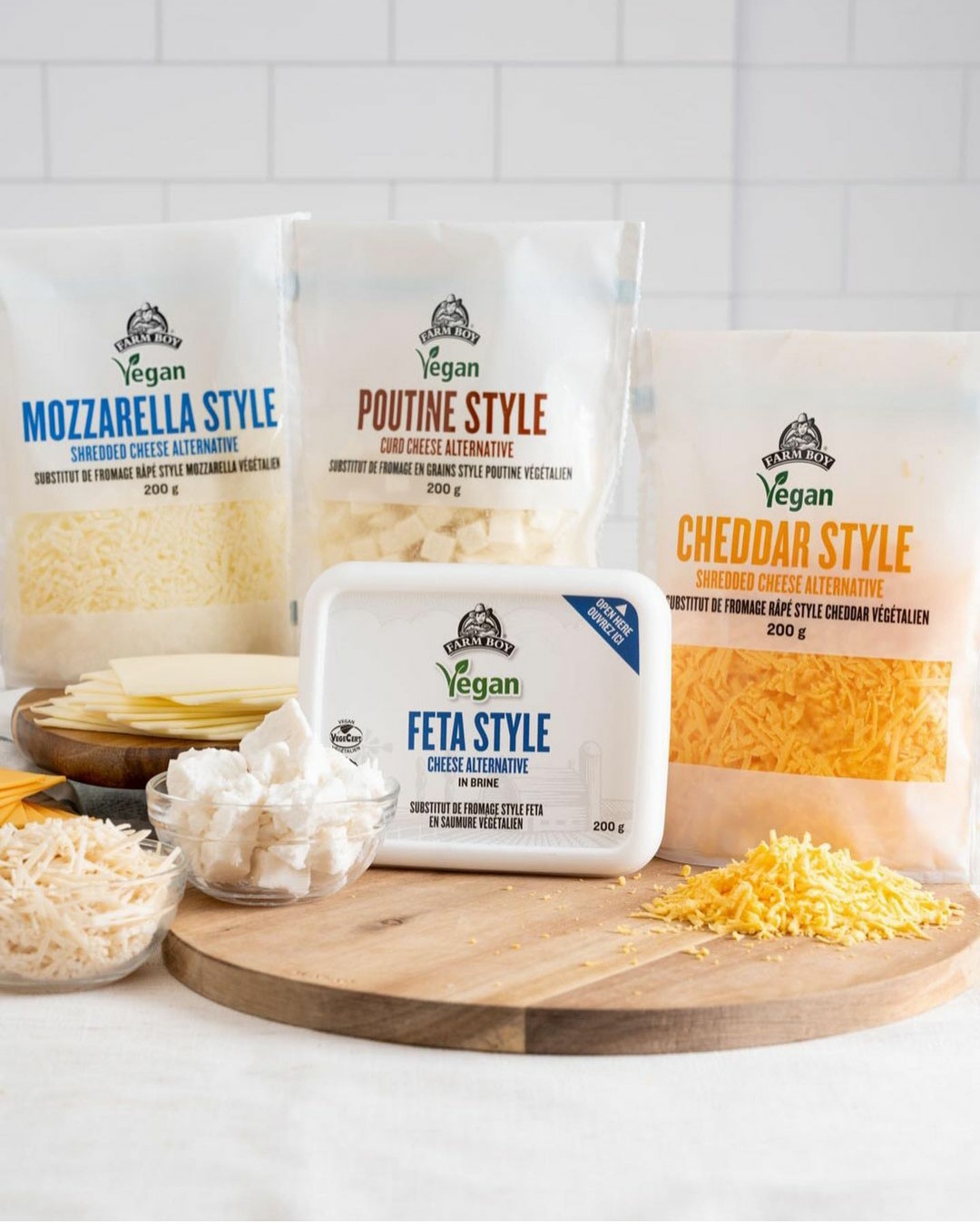

If you put “organic” on a package in Canada, you’re making a regulated claim. There’s a federal standard behind it, an accreditation system, and a certifying body that has verified your operation. Use it without that, and you have a compliance problem.
“Vegan” works differently. There is no equivalent federal standard defining what the word means on a food label, no mandatory verification, and no certifying body you’re required to involve.
Any manufacturer can print it. Today. On anything.
What that actually means in practice
It doesn’t mean the word is meaningless, and it doesn’t mean anything goes. Canada’s general prohibition on false or misleading representations still applies — a claim that’s demonstrably untrue is still a problem, regardless of whether the specific term is defined.
But there’s a wide gap between “not demonstrably false” and “verified.” That gap is where most of the practical difficulty lives, and it produces a few predictable outcomes:
Different manufacturers apply different standards. One company’s internal vegan policy checks the ingredient panel. Another’s traces processing aids four tiers up the supply chain. Both print the same word.
Honest mistakes go undetected. A manufacturer acting in complete good faith can label a product vegan while a fining agent, an enzyme, or a flavour carrier upstream says otherwise. Nobody catches it, because nobody is checking.
“Plant-based” muddies things further. It’s a marketing term, not a regulatory one, and it isn’t a synonym. Plant-based products sometimes contain dairy, honey, or egg-derived ingredients. Shoppers routinely read the two terms as interchangeable.
Shoppers can’t tell the difference. From the outside, a rigorously verified vegan claim and an unverified one look identical on shelf.
Why this is a business problem, not just a philosophical one
For manufacturers doing the work properly, the unregulated environment is actively unfair. You’ve traced your supply chain, collected supplier declarations, verified your processing aids — and you’re sitting next to a competitor who did none of that, wearing the same word.
There’s no way for a shopper to tell you apart. That’s the problem certification solves. Not a compliance requirement, but a differentiation one.
There’s also a risk dimension. An unverified vegan claim that turns out to be wrong is a recall conversation, a retailer conversation, and a social media conversation, in roughly that order. Plant-based consumers are unusually engaged and unusually quick to publicize a discovered error. The reputational exposure is disproportionate to the size of the mistake.
What a certification mark adds
A third-party mark converts an unverified claim into a verified one. Specifically, it means someone independent has:
- Reviewed the full ingredient and sub-ingredient breakdown
- Obtained sourcing declarations for ambiguous inputs — glycerine, mono- and diglycerides, stearates, enzymes, flavours, vitamins
- Confirmed processing aids, including fining agents and filtration media that never appear on the label
- Assessed shared equipment, sanitation, and changeover procedures
- Inspected the facility
That last point matters more than it might seem. Some certifiers review a submitted ingredient list annually and issue a mark on that basis. It’s a legitimate approach, and it catches the obvious problems. It doesn’t catch what’s happening on the floor.
We inspect in person because the gap between documentation and practice is where products actually fail.
The vegetarian question
One more consequence of the term being undefined: “vegetarian” is even less consistently applied than “vegan.”
Some manufacturers use it to mean no meat. Others include or exclude eggs, dairy, honey, gelatin, rennet, and insect-derived ingredients in different combinations. There’s no default.
We certify both designations separately for this reason. A vegetarian mark and a vegan mark answer different questions, and a shopper should be able to tell which one they’re looking at without having to guess at the manufacturer’s internal definition.
What we’d suggest
If you’re already making the claim:
- Document why you’re confident. Not the ingredient list — the sub-ingredients, processing aids, and supplier declarations behind it. If you can’t produce that documentation, you have an unverified claim, whether or not it’s accurate.
- Check your processing aids specifically. This is where good-faith claims most often turn out to be wrong.
- Decide whether “plant-based” or “vegan” is the accurate term for what you actually make. They aren’t the same claim.
If you’re considering it:
Get the documentation in order before the packaging goes to print. Changing a formulation is inconvenient. Changing a printed carton is expensive.
Want to know whether your claim holds up? Send us your formulation and we’ll tell you what we’d need to verify it. No cost, no commitment.
Get a Free Quote · See the Standards
Related: What actually disqualifies a product from vegan certification


Leave a Reply